Here are ten things to know as you read the book of Colossians. For more context, you can also watch the video overview of Colossians from Bible Project.
Continue reading Background on Colossians: 10 Things to Know
Here are ten things to know as you read the book of Colossians. For more context, you can also watch the video overview of Colossians from Bible Project.
Continue reading Background on Colossians: 10 Things to Know
(Last week wrapped up our Wednesday night class on “Lessons Learned in the Wilderness.” Below is a summary of four of those lessons. This article originally appeared at For the Church.)
I posted this on Facebook after the death of Ahmaud Arbery, but sadly, it is fitting again this weekend.
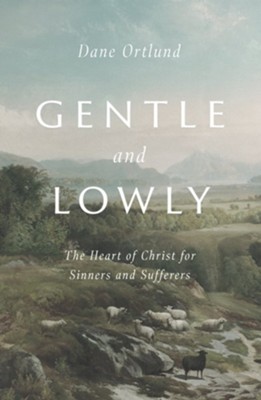
Recently I’ve been reading Dane Ortlund’s wonderful book Gentle and Lowly. The book focuses not so much on the person and work of Jesus—like so many books do—but on helping us see Christ’s heart of compassion and love. Yesterday, I read chapter 11 on “The Emotional Life of Christ,” which focused on how Jesus felt a righteous anger toward death. Jesus felt and feels an indignant anger against anything that is “not the way it should be.”
Continue reading Christ’s Heart that Righteously Rages Against Hurt, Death, and Injustice
Every year there are a couple of Christian books published that fall into the “must buy” category. Dane Ortlund’s Gentle and Lowly: The Heart of Christ for Sinners and Sufferers is one of those books. We mature by marveling at Jesus (Col. 1:28). That means a good book must partially be judged by how much it compels us with the glory and goodness of Jesus. That’s what Ortlund’s book is all about. While it certainly unpacks the person and work of Christ, what’s unique is it’s angle of showing us the heart of Christ. How does he view and treat us as sinners and sufferers? We all want that question answered. If we’re bold enough to say it, we even wonder how he feels about us.
Continue reading 10 Quotes from *Gentle and Lowly* by Dane Ortlund
Each Wednesday night for the next few weeks, I’ll be teaching a class online about Lessons Learned in the Wilderness. You can view this on Facebook live at the Pennington Park Church account at 8PM.
This week we’ll look at an Oasis in the Desert from Deuteronomy 32. You can see the notes here and the video here.
Most Christians would agree that unity is a good thing. We’d like more unity in churches and in our relationships, not less. But what often impedes progress is we don’t like what’s required to make unity possible. There is no unity without humility.
There is no joining ourselves with others apart from some dying to self. Each of us must decide, is the payoff of peace worth the price of a gut-punch to my pride? We might desire the beauty of oneness and the sweetness of harmony, but we wait for others to bend and come to us. We want peace on our terms, without the baggage of humility, empathy, and selflessness. Unity is important, but do we value it as much as being heard, exercising our freedoms and rights, and expressing my opinion?
“Believers are never told to become one; we already are one and are expected to act like it.” Joni Eareckson Tada
Many churches talk a lot about the cross, and I’m thankful for that. A steady diet of the gospel and understanding how Jesus pays for our sin feeds and nourishes our hungry hearts. But we often ignore that Christ’s death unites believers as one. It’s a reconciling, peace-making act bringing people together. It creates a real, objective unity among Christ’s people (the Church) around the globe and across history.
If the cross not only saves us but it also shapes us, then it will propel us to pursue peace and resist division.
Here are a few of the book I’m reading this month (and still slowly working through a few from a couple months ago). What are you reading?
Part of the Christian life includes walking through spiritually dry seasons. That’s normal, and yet we don’t want to get stuck there or remain apathetic. Here are six things to remember or to do when your walk with Christ feels stagnant.
Continue reading 6 Things to Remember or Do When Your Spiritual Life is Stagnant
For Charles Spurgeon, God’s discipline isn’t separate from his love and care for us. To discipline is to teach and to train, just like parents discipline their children through both instruction and correction. His sermon, “The Discipline of the Lord,” is one of the most helpful summaries of the benefits and blessings associated with God’s discipline. I encourage you to read it in its entirety, but here’s a list of some of those benefits.