

Erik Raymond has become one of my favorite authors, and not just because of his love for Boston and its sports teams. I regularly visit Erik’s site at The Gospel Coalition: Ordinary Pastor. He writes with a pastor’s love of the Word and love of people. You can always bank on his words being Christ-centered, and therefore, full of the life-giving grace of Jesus. Like Jared Wilson, Raymond uses a very readable, conversational, sometimes humorous tone to find new ways to drive the same old gospel into the heart.

Savoring Scripture
“A Christian without meditation is like a soldier without arms, or a workman without tools. Without meditation, the truths of God will not stay with us; the heart is hard, and the memory slippery, and without meditation all is lost.” Thomas Watson
Starting on September 9th, I’ll teach a four-week class on Bible meditation. I’ve taught classes on Bible study–which are important–but I believe a missing link between reading the Bible and it landing on us with staying power is meditation.
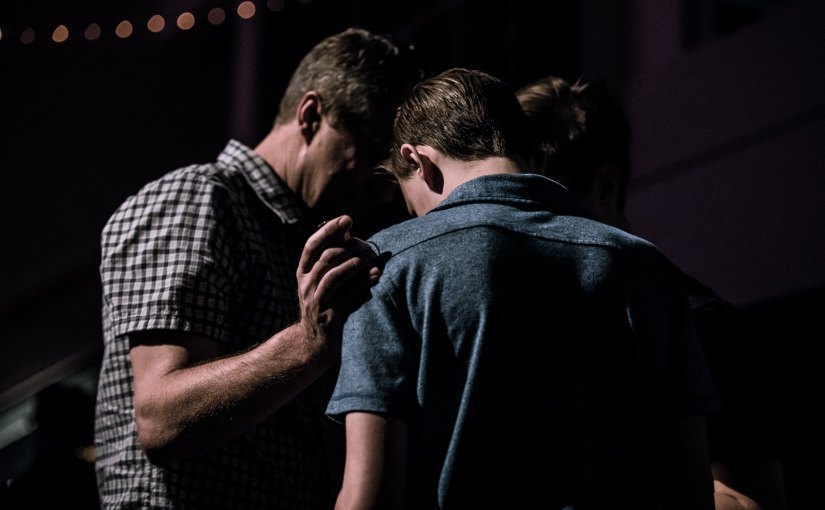
Persistence in Prayer
“Prayer is not helpful. Prayer is not supplemental. Prayer is essential.” Ray Ortlund
(Below is the transcript of a recent sermon preached as part of a morning prayer service. It’s shorter in length and is part of our series on Desperation.)
Luke 18:1-8—Prayer: The Voice of Desperation

What the Bible Says about Prayer
The Bible says a lot about prayer. You don’t have to know all these things to start praying, but they can help us better pray in line with God’s will and desire. Below are condensed, summary statements on prayer in the Bible. This list is a taken from a Group Study Guide on Spiritual Disciplines. This might help us know ways to pray, what to pray about, how to approach God, or why some things might not be answered. Hopefully the list frees us up as we see how different praying can look and how God is at work in and through our praying.

Pray the Bible
“Look, prayer is spilling your guts. It doesn’t have to be pretty. It doesn’t have to be tidy. It doesn’t have to be particularly eloquent or even particularly intelligent. But the Bible is how God speaks to us and prayer is how we speak to God. These two rhythms form the dynamic of our friendship with the God of the universe. You can’t be good friends with someone you don’t listen to, and you can’t be good friends with someone you don’t talk to. So we go about our personal devotions by studying the Bible to hear what God would say to us and then praying to God that he would forgive us for our hard-heartedness against his Word and empower us to understand it better and make it resonate more deeply in our hearts. Spilling our guts in prayer is how we process God’s words to us. Prayer is how we interact with our friend Jesus.” Jared Wilson

Communion Meditation: Reason to Celebrate
(Below is a Communion Meditation I shared at my local church. This was one way to remember and rejoice in Christ through Communion, not a detailed explanation of it.)
Communion, or the Lord’s Supper, can confuse and remain unclear. And not just the tricky theological questions, but the practical ones most people in their seats have going through their minds. What should I be doing while the bread and cup are passed? Should the tone be somber or celebratory? Should I confess sin, listen to the song, sing, give thanks, or think about the death of Christ?
Communion Meditation: Our Need and Christ’s Sufficiency
(This communion meditation took place in a series at our church on spiritual desperation.)
One morning this week I reflected on how God designed simple, tangible, physical things in our life to show us how needy and dependent we are. Every day I need hours of sleep. I can skip sleep or try to cheat it, but I pay the price. Every morning I wake up reminded my energy is limited, my body is weak, I’m not strong enough to just push through, and my health is in part dependent on physical rest. It’s similar with food. At least three times a day I have to eat. I get hungry and thirsty throughout the day and my body’s strength, health, and ability to work effectively and think clearly depends on food.
Continue reading Communion Meditation: Our Need and Christ’s Sufficiency
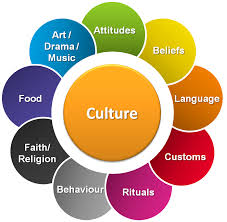
Understanding our Cultural Narratives
This week I had the opportunity to teach on our cultural narratives or presuppositions. In recent years, “worldview thinking” has benefitted from a better understanding of how our worldview is formed and informed by not only our conscious (foreground) beliefs but by our unconscious (background) values, desires, imagination, beliefs, experiences, and ways of perceiving and relating to the world. These presuppositions become the grid or tastebuds by which other things (truth-claims, beliefs, moral stances, etc.) are seen as plausible or implausible, appealing of distasteful, and ultimately worth accepting or rejecting. Too often, Christans are unaware of both their own presuppositions as well as those cultural presuppositions informing the average person you meet.

What’s Pentecost About?
As our church continues to read the book of Acts, the second chapter highlights the day of Pentecost. The author of Acts, Luke, assumes his readers are familiar with the holy-day/holiday. He, therefore, doesn’t explicitly tease out what Jesus sending the Holy Spirit on his people that day (of all days) means. If you skip over Pentecost you miss a lot of color within the text’s story that the wording itself doesn’t always supply. Here are four blogs surveying some of the meaning behind that day and what’s going on in Acts 2. Continue reading What’s Pentecost About?

Spirit and Word in Acts
Author vs Audience Questions
When we read the Bible or any other book, we bring our own questions. This isn’t always bad, but it can cause us to read books with a filter whereby we pass over material we don’t consider relevant to our question. In fact, we might be so “locked in” to our own thinking and concerns that we miss what the author intentionally builds into his story or letter. We don’t totally disregard our questions, but we read more slowly and more carefully in an attempt to let the author’s concerns shine through.
 indycrowe