
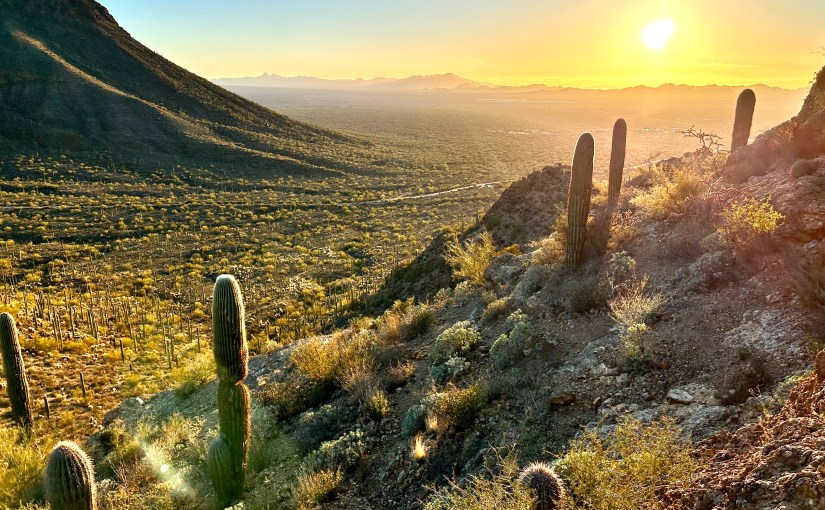
One of the many lessons I’ve learned from David’s time in the wilderness is not to let present hardship rob me of future hope.
When David endures long seasons in the wilderness (1 Samuel 21-30; 2 Samuel 15-17), with all the troubles and trials that come with it, he allows himself to look beyond the present. He can see past the bleak Winter to anticipate Spring. In the darkness of night, he holds onto the hope that light will soon dawn.
One practical thing David does is look forward with hope and anticipation in light of who his God is. This isn’t mere optimism, positive thinking, sending good vibes, or a refusal to be realistic. David has no problem expressing how hard his circumstances are or how overwhelmed he feels. He admits discouragement and weariness throughout his psalms. Some of his wilderness psalms (3, 34, 52, 54, 56, 57, 63, 142) are written when he’s surrounded by bigger and better armies. He wasn’t just the underdog against Goliath, but on paper, he had little chance when fleeing from Saul, Absalom, or the foreign armies he faced.
David knows these realities and expresses some of what he’s up against, as well as corresponding feelings of betrayal, abandonment, loneliness, fear, loss, and grief in the midst of it. This is the reality of David’s wilderness situation. But it’s also not the whole story. David’s journal shows a man who doesn’t get stuck on the challenges or even his own thoughts and feelings. He doesn’t limit his perspective on his situation to the way things seem, what he can see with his eye, or the outcome that would appear likely based on logic. David brings the reality of his great God into his story and scenario, which changes everything.
Because God is on his side, he will not be swallowed up by worry or fear.
Because God is with him, he is not truly alone or abandoned.
Because God is on his side, the way things appear and the conclusion that seems likely can change in an instant or be altered by God without Him breaking a sweat. Because God is on his side, he can rest knowing God’s gracious promises will be kept and God’s good purposes will stand.
As David’s psalms often move from the trial he’s in and how he feels to a reminder of who God is and the ways He’s been faithful, this allows David to find renewed hope in both his present circumstances and future direction.
Confidence in God Before Change by God
When you read some of David’s psalms, he’s so confident in God that it almost seems like he’s already been delivered. But he hasn’t. He’s still in the thick of the fog, the fearful situation, the waiting, and the wilderness. His circumstances remain unchanged but his heart and faith have changed. This is because his confidence is in God’s promises to him and God’s power working on behalf of him.
In one psalm, David might begin by looking around or looking within and you can hear the weariness or the worry in his voice. But then as his thoughts start looking to God, and He remembers God’s faithfulness in past trials or God’s promises given to him, the peace and the hope in his words grow louder and louder. By the end of some psalms David is already giving thanks to God, not just for what God is doing right now but also what he trusts God to do with his right now that will lead to a hope-filled future. This doesn’t mean David believes everything always works out the way he wants or that no harm will come to him, but it does mean that everything will work out for his good and no harm will ultimately accomplish evil in his life or separate him from God.
Psalm 54
Psalm 54 is a short psalm that exemplifies this movement from honestly bringing our troubles to God to resting in the hope we have in God. David’s location has been given to Saul. David is in trouble and he knows it. His first words are “O God, save me by your name” (Ps. 54:1). His predicament is bad enough that he’s helpless if God isn’t the one who helps him. He speaks to his situation of armies rising against him to destroy his life (54:3). But then the “faith pivot” happens as he reminds himself that “God is my helper; the Lord is the upholder of my life” (54:4). This gives him assurance that God will defeat David’s enemies (54:5).
David closes his psalm with these words: “With a freewill offering I will sacrifice to you; I will give thanks to your name, O Lord, for it is good. 7 For he has delivered me from every trouble, and my eye has looked in triumph on my enemies” (54:6–7). David begins this journal entry or song by crying out to God for help and he ends with words of thanksgiving to God who is and has been his helper. He doesn’t skip over what he’s facing or feeling, and he doesn’t fail to bring his needs to the God who can do something for him, but he also doesn’t get stuck in what he sees and feels. He entrusts himself and his situation to God and then finds hope as his mind is filled with right thinking (theology) about God. He remembers the scary situations and painful struggles of the past and how God has delivered him in the past (54:7).
He gives thanks to God, not because David has been given the desired outcome or experienced deliverance yet, but he gives thanks because his attention is now set on God. When God, not just a change in circumstances, is our source of hope, we find reasons for joy and gratitude in all things. He gives thanks because of God’s glory (or name) and because of God’s goodness (54:6). He gives thanks because God is trustworthy and able to accomplish His wise and loving purposes in David’s life despite the opposition and obstacles. And he gives thanks because his current predicament and future path are all in God’s good hands.
Because God is his defender, he can rest. Because God is in control, he can release control and experience peace in the battle. Because God is at work, he can worship God until hope has the final word in his heart.
Hold on to Hope by Holding on to God
In our wilderness, it’s easy to believe things will never change or improve. It’s easy to lose hope about the present and the future and let discouragement and despair take over. Sometimes all we see is the hardship, and our situation feels hopeless. But David teaches us how to respond by faith so we can worship our way through the wilderness. David gets his eyes off the cause of hardship and lifts his eyes up to his source of hope. He stands on God’s past faithfulness and eternal promises, and it renews his hope in the present and for the future. He lets his view of God give perspective on his circumstances rather than letting his circumstances diminish his view of God.
When God, not just a change in circumstances, is our source of confidence and hope, we find reasons for joy and gratitude in all things.
How could David describe himself in the desert like a healthy, flourishing olive tree (Ps. 52:8)? How does he not shrink and shrivel in faith but grow strong in faith? He does it by trusting in God’s steadfast love, thanking God for endless grace and goodness, and waiting on God’s wise and perfect timing. “But I am like a green olive tree in the house of God. I trust in the steadfast love of God forever and ever. 9 I will thank you forever, because you have done it. I will wait for your name, for it is good, in the presence of the godly” (Ps. 52:8-9).You might be in a desert, but God can turn it into an oasis. Trust. Give thanks. Wait. And then watch.
When life is bittersweet, it can lead to the sweetest moments of worship. We experience our desperation. We’re reminded how much we need God and His grace, help, and strength. And we’re reminded how faithful, good, and full of steadfast love our God is.
I love sometimes sitting in the back of our church sanctuary and seeing people worship God, knowing the burdens, sorrows, and struggle they carry, and yet God is their anchor steadying them through the storm. It’s often when life is hardest, that we discover just how much help and hope we truly have in God.

 indycrowe